
Slovakia by campervan: sleeping and camping
Where you may legally sleep in a campervan in Slovakia: parking, camping, campsites, stopovers and possible fines. What to know before you go.
Published 18 September 2026Last checked 19 September 2026
Currency
Euro
EUR. Since 1 January 2009. Not the koruna, not the złoty
Language
Slovak
Czech understood everywhere, Hungarian in the south
Driving
Right
Motorway 130 km/h, 90 km/h over 3.5 tonnes
Power
230V, type E
Takes the same round two-pin plug as most of Europe
Tap water
Safe to drink
Ask for vodu z vodovodu
Emergency
112
Mountain rescue has its own number, 18 300
Sleeping
Sleeping
Slovak law does not ask whether you are asleep. It asks which of five protection degrees applies to the ground under your wheels. The nature and landscape protection act sets out a five point scale, and the restrictions grow with the number. The first degree covers the whole country by default and says nothing about camping. The third degree bans camping outright. The fourth and fifth ban more again.

The five degrees, and what each one does to your night
| Degree | Where it applies | Camping and fires | Vehicle |
|---|---|---|---|
| First | The whole country by default. Everywhere outside a declared protected area | Not touched by this act. The forest act and the municipality still apply | No restriction from this act |
| Second | All 14 protected landscape areas. Also zone D of a zoned park | Not banned by this act | No driving or standing off roads, purpose-built roads, field access roads, car parks, filling stations or garages |
| Third | All 9 national parks. Also zone C, and the buffer zone of a reserve | Camping, tenting, bivouacking and open fires all banned outside a village | Same ban, shorter exception list: roads, local roads, car parks, filling stations, garages. Field roads drop out |
| Fourth | Nature reserves and national nature reserves. Zone B | Everything banned at the third degree, plus more | As the third degree. A dog must also stay on the lead |
| Fifth | The strictest reserves and zone A, which is normally at least half a national park | Everything above, plus a ban on disturbing the peace and quiet | As above, plus no interference with the forest, the vegetation or the soil |
Still parked
- Sleeping, cooking and eating inside
- Roof vent and windows open
- Curtains or blinds up
- Wheels down and nothing else touching the ground
- Standing in a marked car park, which the third degree leaves out of its ban
Now camping
- Chairs, a table or a mat outside
- Awning rolled out
- A tent pitched beside the van
- Any open fire outside an enclosed building, at the third degree or above
- Grey water emptied on the ground
The three acts that decide
- The nature and landscape protection act. It sets the five degrees. The camping ban is one of them, and it starts at the third degree. The act also lets a park administration set aside places where those bans do not apply.
- The forest act. It gives everyone the right to walk into a forest at their own risk, and then bans camping and building a shelter outside marked places, driving or standing a motor vehicle outside marked places, open fires on forest land or in its protective zone, and disturbing quiet and peace. This applies in every forest at every degree, including the first.
Who decides, and what to look at
- The government declares each protected area by nariadenie and sets its degree. The scale itself is the same everywhere.
- The okresný úrad in the regional seat issues each national park's návštevný poriadok, the visitor code, as a vyhláška. Breaching one is its own offence. The codes are where camping places, car parks, trail closures and walking hours are named.
Where to sleep, and what to check first
| Option | What you get | What to check |
|---|---|---|
| Marked car park below a trailhead | Legal, quiet and often free. The workhorse option in Slovakia, and expressly outside the third degree vehicle ban. | Height and length signs, paid hours, and whether the park's visitor code names this car park at all |
| Autokemp | The Slovak campsite, often municipal, usually beside a river or under a ridge. Water, waste, showers, electricity. | Many are seasonal and shut outside roughly June to September |
| Salaš, penzión or farm car park | A spot with the owner's permission, which is what makes it legal, and a meal attached. | Ask inside rather than assume. Then do not drive in the morning |
| Ski resort car parks out of season | Big, flat, level and built for the traffic. Empty from May to November. | Whether the resort sits inside a national park, and whether the barrier is down |
| Town car parks | A legal place to stand while you walk into the centre. | Paid hours, height barriers and residents-only bays. Bratislava is tight for a long vehicle |
What the statutes allow as a maximum fine
These are statutory ceilings, not typical penalties. The 3,319.39 euro figure is what the nature and landscape protection act permits for a banned activity, not what a ranger writes for one night in a van. The same act caps a fine settled on the spot at 300 euros, and the forest act caps its own on the spot fine at 70. The one number worth fearing is elsewhere in the act: a second offence within two years of a sanction can be fined up to double the ceiling.
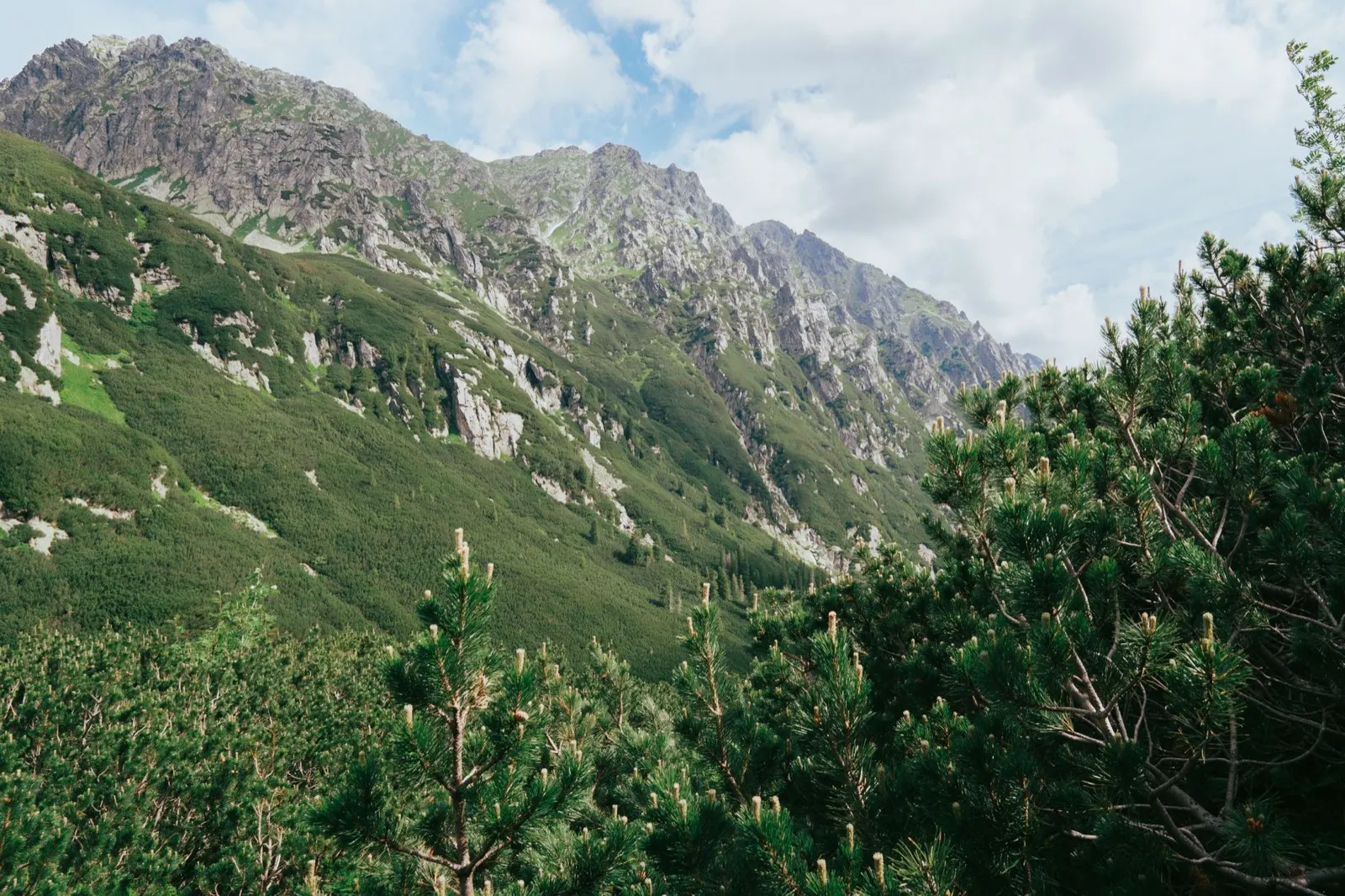
The High Tatras have exactly one legal bivouac site and it is not for vehicles. Under the TANAP visitor code, camping and bivouacking outside a village are allowed only at Táborisko pod Vysokou in the Bielovodská dolina. It opens from 1 June to 31 October and from 15 December to 15 April, using the wooden tent platforms as part of a multi-day climbing or ski-touring traverse. Use a camping stove rather than an open fire. It is reached on foot. The Low Tatras code sets aside eight ridge saddles for a single night, including Čertovica, Ďurková and Hiadeľské sedlo, and those are walk-in too.