
Belgia kamperem: najlepsze regiony i trasy
Belgia kamperem: polecane regiony, najlepszy sezon, dojazd i praktyczne wskazówki dotyczące planowania trasy. Co warto wiedzieć przed wyjazdem.
Published 18 września 2026Last checked 19 września 2026
Waluta
Euro
EUR. Karty są powszechne. Bancontact to lokalny system
Język
Holenderski, Francuski, Niemiecki
Niderlandzki we Flandrii, francuski w Walonii, oba w Brukseli
Jazda
Prawa strona
Autostrada 120 km/h, 90 km/h powyżej 3,5 tony
Zasilanie
230V, typ E
Gniazdo ma bolec uziemiający. Sprawdź swój kabel przyłączeniowy
Woda z kranu
Bezpieczne do picia
Zapytaj o kraantjeswater lub eau du robinet
Pogotowie
112
Policja 101. Lekarz dyżurny 1733
Obszary Belgii
Regiony Belgii: wybrzeże, miasta sztuki, stolica, rzeka i las
Kraj, który można przejechać w dwie godziny, wciąż całkowicie się zmienia po drodze, od ściany apartamentów przy plaży po pusty leśny płaskowyż ze śniegiem. Wybierz region według miesiąca i według zestawu zasad, według których wjeżdżasz, ponieważ w Belgii są to dwa różne pytania i oba mają realne odpowiedzi.

Flandryjskie wybrzeże
Flamandzkie wybrzeże: jedna długa plaża, jeden tramwaj i najsurowsze parkowanie w Belgii
Całe belgijskie wybrzeże to pojedynczy pas piasku ciągnący się od De Panne przy granicy z Francją do Knokke-Heist przy granicy z Holandią, z tramwajem kursującym na całej jego długości. Znajdują się na nim Ostenda, Blankenberge, Nieuwpoort i De Haan, a prawdziwe wydmy przetrwały na dwóch krańcach, w Westhoek i przy Zwin.
Najlepiej w maju, czerwcu i wrześniu
What it is like
- August is the warmest month at Ostend, with a mean daily maximum of 22 °C, and also one of the wettest at 84 mm.
- Much of the seafront is a wall of apartment blocks. The dunes at De Panne and Knokke are what the rest of it used to look like.
Where to go
- The Westhoek dunes at De Panne, the biggest dune area in the country
- The Zwin nature park at Knokke, for birds and salt marsh
For the vehicle
- Coastal communes are the strictest in Belgium on overnight parking, and each writes its own police regulation. Read the one for the town you stop in.
- Seafront car parks almost all carry height barriers, and the ones that do not fill by 10:00 in summer.

Flandria i miasta sztuki
Flandria i miasta sztuki: Brugia, Gandawa, Antwerpia i Leuven w odległości godziny od siebie
Płaskie, gęsto zaludnione, flamandzkojęzyczne i mocno nastawione na rower. Cztery miasta, z których każde mogłoby stanowić osobną wycieczkę, znajdują się w odległości godziny jazdy od siebie: Brugia z jej kanałami, Gandawa z zamkiem, Antwerpia z portem i diamentami, Leuven z uniwersytetem. Pomiędzy nimi znajdują się pola uprawne, piwo i pola bitewne Westhoek.
Najlepiej od maja do września
What it is like
- July and August average a daily maximum of 24 °C at Antwerp, which is as warm as Belgium gets outside a heatwave.
- The cities are built to be walked and cycled. Bruges in particular is hostile to anything larger than a car, by design.
Where to go
- Bruges, best very early or after the day trippers leave
- Ghent, the one the Flemish rate above Bruges
For the vehicle
- Antwerp and Ghent both run low emission zones, and a foreign plate has to be registered first. One free registration covers both.
- Ghent says a motorhome may park on the road but not be slept in, and points you at the Blaarmeersen campsite or the Driebeek camper terrain at 12 euros a day.

Bruksela i Brabancja
Bruksela i Brabancja: stolica i strefa, w której musisz się zarejestrować
Dziewiętnaście gmin tworzących dwujęzyczny region miejski, otoczony przez Brabancję Flamandzką na północy i Brabancję Walońską na południu. Na obrzeżach: Las Soniański, wpisany na listę UNESCO las bukowy, który zaczyna się na końcu linii tramwajowej, pole bitwy pod Waterloo i Leuven z najstarszym uniwersytetem w Niderlandach.
Najlepiej od maja do września
What it is like
- Uccle, the reference station for the country, averages a daily maximum of 23 °C in July and August and 6 °C in January.
- The Sonian Forest is the reason Brussels feels less landlocked than it is. It is large and it starts inside the region.
Where to go
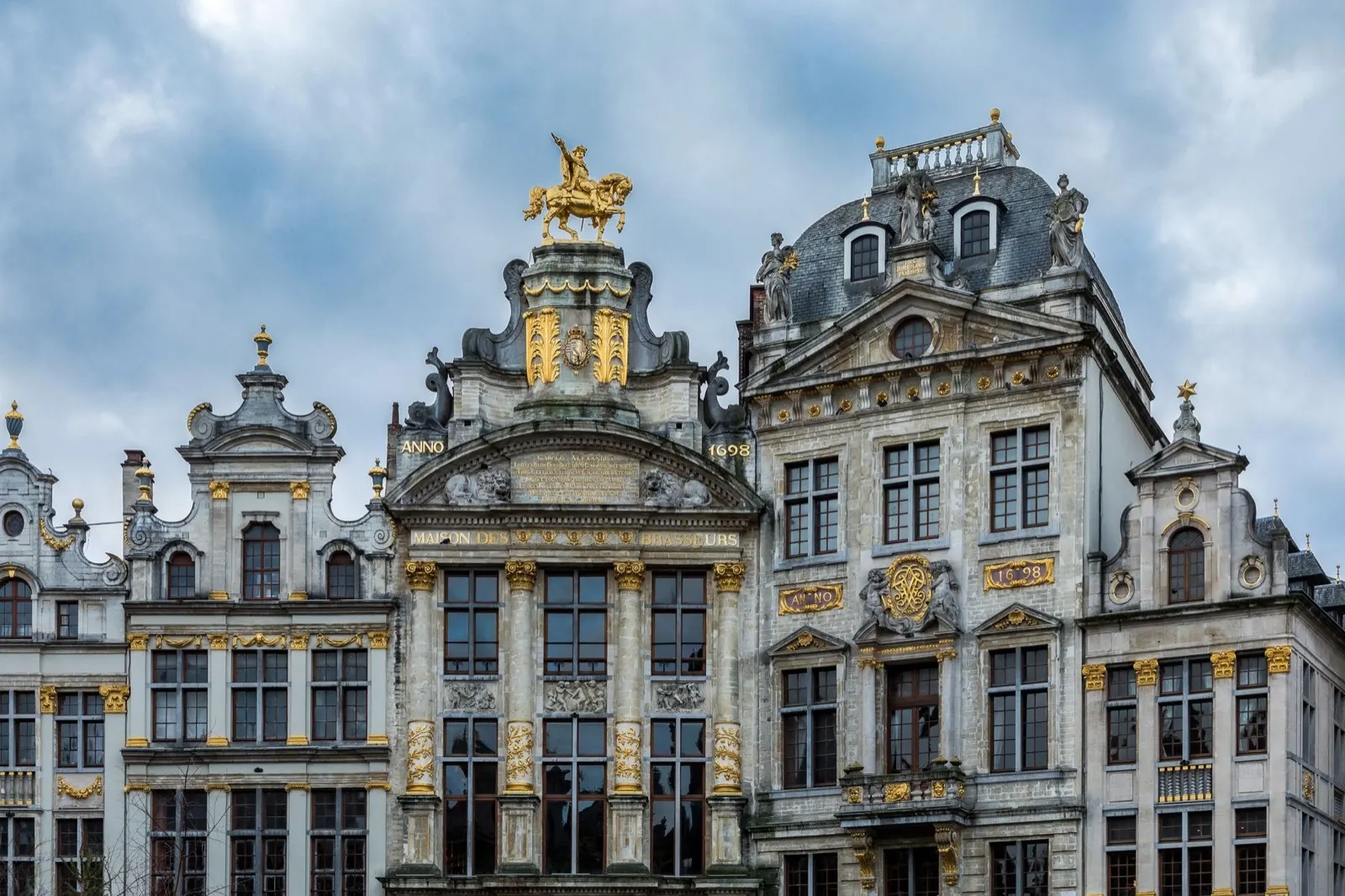
- The Grand Place, best at first light before the square fills
- The Sonian Forest, beech cathedral on the southern edge
For the vehicle
- The low emission zone covers all 19 communes, and a foreign plate must be registered, free, before you enter or within five days. Not doing it is 150 euros.
- Euro 5 diesel lost access on 1 January 2026. A day pass is 35 euros for a car or van, up to 24 a year.