
Austria by campervan: best regions and routes
Where to go by campervan in Austria: recommended regions, the best season, road access and practical route advice. What to know before you go.
Published 18 September 2026Last checked 18 September 2026
Currency
Euro
EUR. Cards in towns, cash in huts and at small hosts
Language
German
Austrian German. English is common in tourist valleys
Driving
Right
130 km/h motorway, 80 km/h above 3.5 tonnes
Power
230V, type F
Same two-pin plug as most of Europe
Tap water
Safe to drink
Ask for Leitungswasser
Emergency
112
144 ambulance, 140 mountain rescue
Areas of Austria
The regions of Austria: six places that want six different months
Austria runs from the shore of Lake Constance to the Hungarian border, and it changes completely along the way: glaciers and dead-end valleys at one end, vineyards and a lowland river at the other. Pick the region by the month you are travelling and by what your vehicle can physically get up.

Tyrol and the Ötztal
Tyrol and the Ötztal: the highest, the strictest, the most spectacular
The Inn valley runs the length of Tyrol with Innsbruck in the middle of it, and every side valley climbs from there: the Ötztal, the Zillertal, the Stubai. This is the Austria people picture, and it is also the state that regulates overnighting most tightly.
Best late June to September
What it is like
- Most side valleys are dead ends. Going in means coming back out the same way, so a wrong turn costs a whole afternoon.
- The Ötztal climbs to Obergurgl, one of the highest permanently inhabited villages in Austria, and the road keeps going above it.
Where to go
- The Ötztal, from Sölden up to the glacier road
- The Zillertal and the Schlegeis reservoir
For the vehicle
- Camping outside a campsite is banned outright by the Tiroler Campinggesetz 2001 unless a municipal ordinance allows it. The act does exclude a stay that only restores your fitness to drive.
- On busy Saturdays, Sundays and public holidays from 1 May 2026, motorway exits in the Innsbruck, Kufstein, Imst and Reutte districts are shut to transit traffic from 07:00 to 19:00.

Salzburgerland
Salzburgerland: the city, the lakes and the road over the Grossglockner
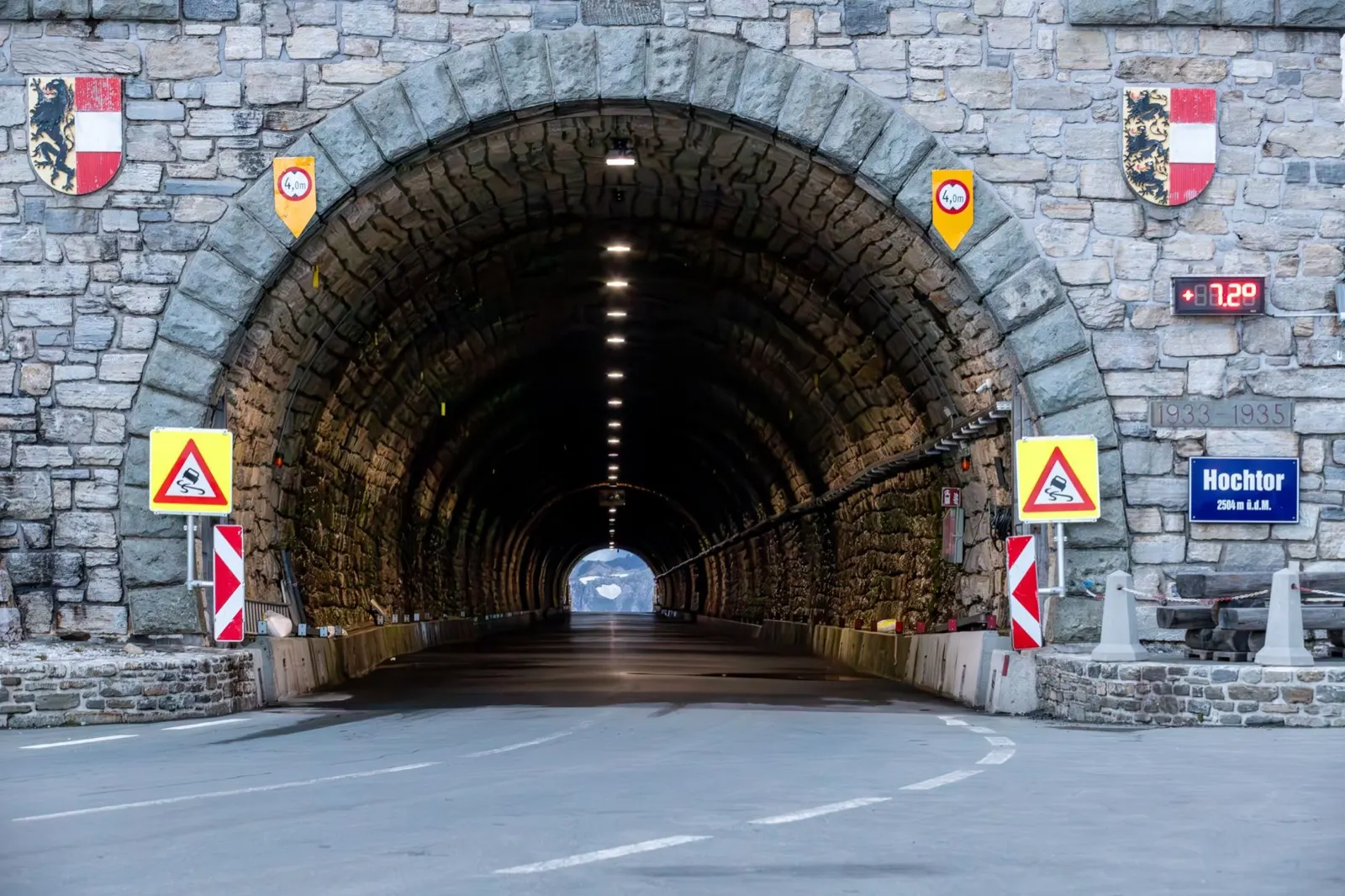
One state holding a small baroque city, the western Salzkammergut lakes and the Hohe Tauern national park, with the Grossglockner High Alpine Road running through the middle of it. It is the most concentrated week in Austria.
Best May, June, September
What it is like
- August is the wettest month in Salzburg at 164 mm, and the city is at its most crowded in the same weeks.
- The Pinzgau and Pongau valleys empty out completely once the ski season ends.
Where to go
- The Grossglockner High Alpine Road, open early May to early November
- Krimml waterfalls in the Hohe Tauern
For the vehicle
- Salzburg has no state-wide camping ban. The mayor and the council decide, and the statutory ceiling where a local prohibition is breached is 10,000 euros.
- The state created a motorhome-only campsite category in 2026, capped at twelve pitches and needing only a notification.

Carinthia and the lakes
Carinthia and the lakes: the warm side of the Alps
South of the main Alpine ridge, facing Italy and Slovenia, and warm enough to swim in. The Wörthersee, the Millstätter See and the Faaker See are the reason people come, and Klagenfurt averages 26 °C in July and August.
Best May to September
What it is like
- Lake water reaches swimmable temperatures, which is unusual this far into the Alps.
- The Nockberge to the north are rounded and green rather than rock, and easier driving than Tyrol.
Where to go
- The Wörthersee and Velden
- The Millstätter See, quieter and deeper
For the vehicle
- Banned in the open landscape under the Kärntner Naturschutzgesetz 2002, but the act exempts short-term parking of a motorhome on areas that serve stationary traffic, and garden ground attached to a house.
- Carinthia is the one state that publishes an on-the-spot figure for it: 50 euros. The administrative maximum is 3,630 euros, or 7,260 on repeat.