
Switzerland by campervan: safety and healthcare
Campervan safety in Switzerland: vehicle security, healthcare, emergency contacts and practical prevention. What to know before you go.
Published 18 September 2026Last checked 18 September 2026
Currency
Swiss franc
CHF, not the euro. 0.9462 francs to €1 on 18 September 2026
Languages
German, French, Italian
Romansh is the fourth national language
Driving
Right
Motorway 120 km/h, expressway 100, other roads 80
Power
230V, type J
A Schuko plug usually will not fit. Bring an adapter
Motorway
CHF 40 vignette
One sticker, the whole network, up to 3.5 t
Emergency
112
Police 117, ambulance 144, air rescue 1414
Safety and health
Safety and health
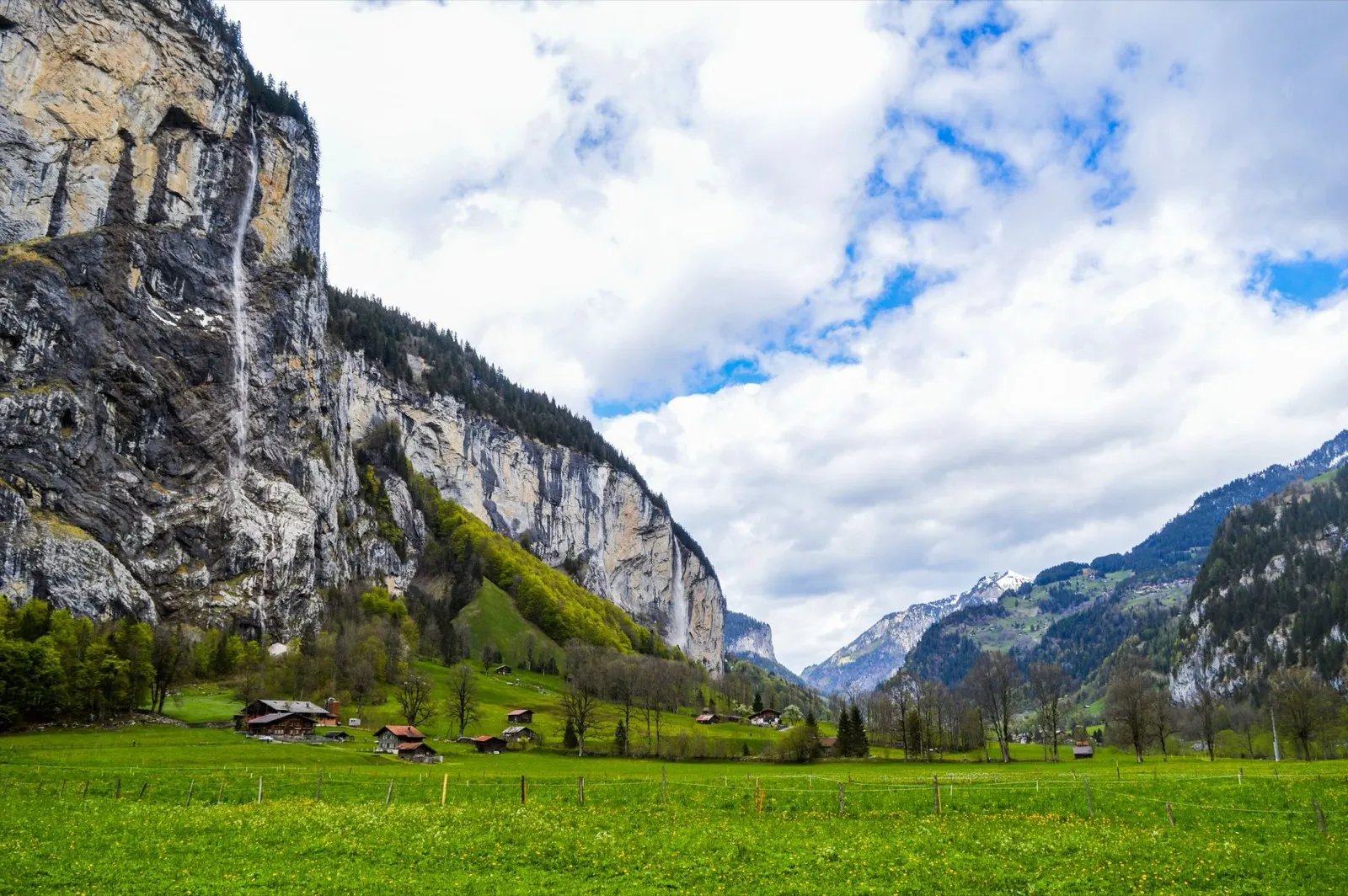
Switzerland is one of the safest countries in Europe to travel through, and the risk that catches people out is the terrain. Weather at 2,000 metres turns inside an hour. A pass that was dry at noon can be icy by six in September. A valley road that looks like a shortcut on the map can narrow to a single track with a 2.30 metre width limit and no way to turn a long van around.

What goes wrong
- Committing to a pass too late in the day or too late in the year. The high ones usually close from late October, and they can close early after one bad week.
- Width and weight limits on valley roads. Several passes are formally open to everything and still wrong for a long van. TCS names the Albula, Klausen, Oberalp, Splügen, Umbrail and Furka as ones to avoid in a motorhome.
Numbers and health
- 112 reaches every service. 117 police, 118 fire, 144 ambulance.
- 1414 is Rega air rescue, the one to call for anything in the mountains.
Theft from vehicles happens in Switzerland as anywhere, and no reliable national figure for it could be found for this guide, so nothing is claimed about how common it is. The precautions are the ordinary ones and they cost nothing: nothing on show, doors locked, and a spot you would be happy to walk back to at midnight.