Austria en autocaravana: regiones y rutas
Austria en autocaravana: regiones recomendadas, mejor época, acceso por carretera y consejos prácticos para planificar la ruta.
Published 18 de septiembre de 2026Last checked 18 de septiembre de 2026
Moneda
Euro
EUR. Tarjeta en las ciudades, efectivo en refugios y alojamientos pequeños
Idioma
Alemán
Alemán austríaco. El inglés es común en los valles turísticos.
Conducción
Derecha
130 km/h autopista, 80 km/h superior a 3,5 toneladas
Energía
230V, tipo F
Mismo enchufe de dos clavijas que la mayor parte de Europa
Agua del grifo
Seguro para beber
Preguntar por Leitungswasser
Emergencia
112
144 ambulancia, 140 rescate de montaña
Áreas de Austria
Regiones de Austria: elige según la estación y tu vehículo
Austria se extiende desde la orilla del lago de Constanza hasta la frontera húngara, y cambia por completo en el camino: glaciares y valles sin salida en un extremo, viñedos y un río de tierras bajas en el otro. Elige la región según el mes de tu viaje y según lo que tu vehículo pueda subir físicamente.

Tirol y el Ötztal
Tirol y el Ötztal: el más alto, el más estricto, el más espectacular
El valle del Inn recorre todo el Tirol con Innsbruck en el centro, y cada valle lateral asciende desde allí: el Ötztal, el Zillertal, el Stubai. Esta es la Austria que la gente imagina, y también es el estado que regula más estrictamente el alojamiento.
Mejor de finales de junio a septiembre
What it is like
- Most side valleys are dead ends. Going in means coming back out the same way, so a wrong turn costs a whole afternoon.
- The Ötztal climbs to Obergurgl, one of the highest permanently inhabited villages in Austria, and the road keeps going above it.
Where to go
- The Ötztal, from Sölden up to the glacier road
- The Zillertal and the Schlegeis reservoir
For the vehicle
- Camping outside a campsite is banned outright by the Tiroler Campinggesetz 2001 unless a municipal ordinance allows it. The act does exclude a stay that only restores your fitness to drive.
- On busy Saturdays, Sundays and public holidays from 1 May 2026, motorway exits in the Innsbruck, Kufstein, Imst and Reutte districts are shut to transit traffic from 07:00 to 19:00.

Salzburgerland
Salzburgerland: la ciudad, los lagos y la carretera del Grossglockner
Un estado que alberga una pequeña ciudad barroca, los lagos del Salzkammergut occidental y el parque nacional Hohe Tauern, con la carretera alpina de alta montaña Grossglockner atravesándolo. Es la semana más concentrada de Austria.
Mejor en mayo, junio y septiembre
What it is like
- August is the wettest month in Salzburg at 164 mm, and the city is at its most crowded in the same weeks.
- The Pinzgau and Pongau valleys empty out completely once the ski season ends.
Where to go
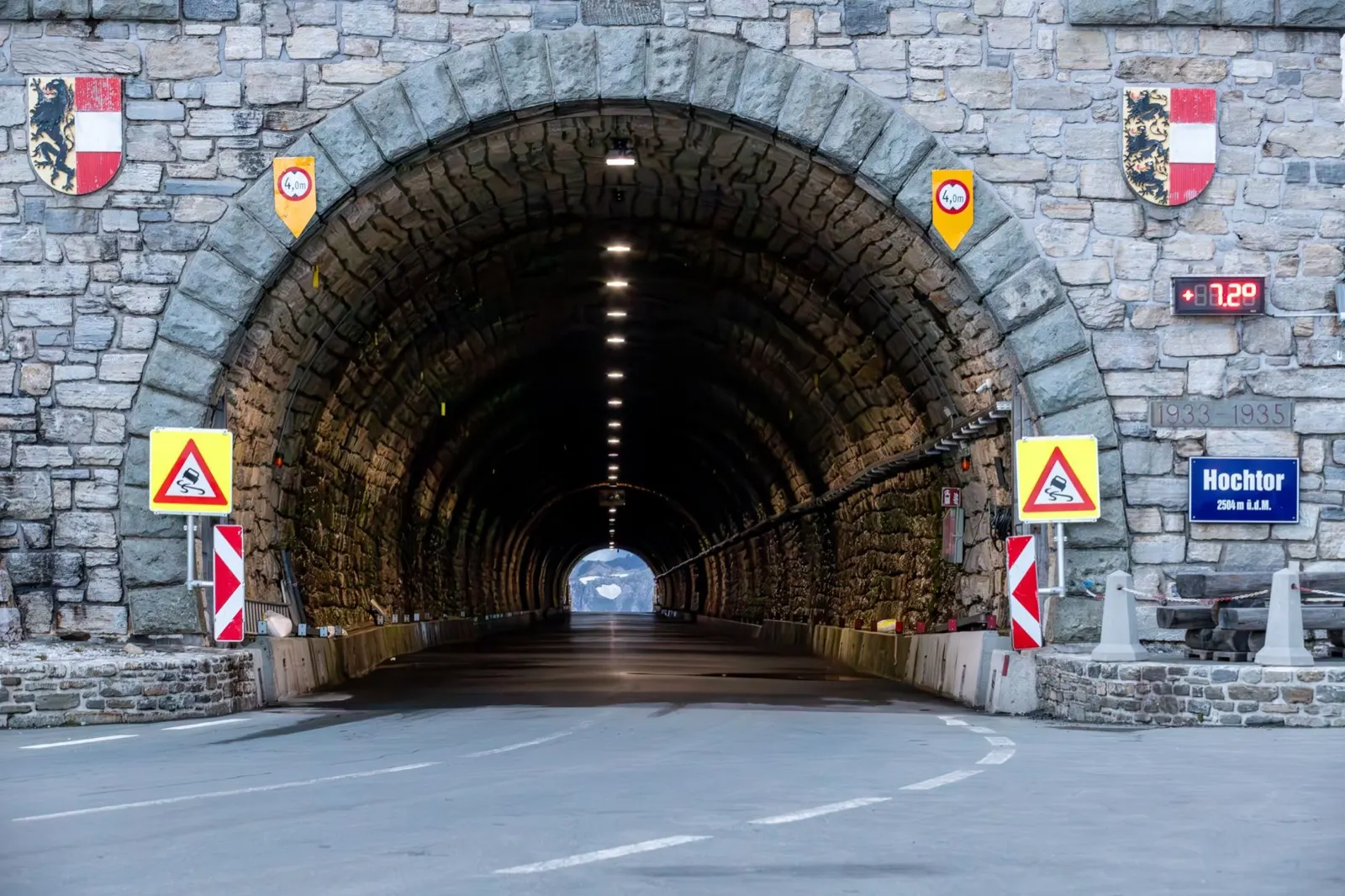
- The Grossglockner High Alpine Road, open early May to early November
- Krimml waterfalls in the Hohe Tauern
For the vehicle
- Salzburg has no state-wide camping ban. The mayor and the council decide, and the statutory ceiling where a local prohibition is breached is 10,000 euros.
- The state created a motorhome-only campsite category in 2026, capped at twelve pitches and needing only a notification.

Carintia y los lagos
Carintia y los lagos: el lado cálido de los Alpes
Al sur de la cordillera principal de los Alpes, con vistas a Italia y Eslovenia, y lo suficientemente cálido como para nadar. El Wörthersee, el Millstätter See y el Faaker See son la razón por la que la gente viene, y Klagenfurt tiene una media de 26 °C en julio y agosto.
Mejor de mayo a septiembre
What it is like
- Lake water reaches swimmable temperatures, which is unusual this far into the Alps.
- The Nockberge to the north are rounded and green rather than rock, and easier driving than Tyrol.
Where to go
- The Wörthersee and Velden
- The Millstätter See, quieter and deeper
For the vehicle
- Banned in the open landscape under the Kärntner Naturschutzgesetz 2002, but the act exempts short-term parking of a motorhome on areas that serve stationary traffic, and garden ground attached to a house.
- Carinthia is the one state that publishes an on-the-spot figure for it: 50 euros. The administrative maximum is 3,630 euros, or 7,260 on repeat.